Start with the application.
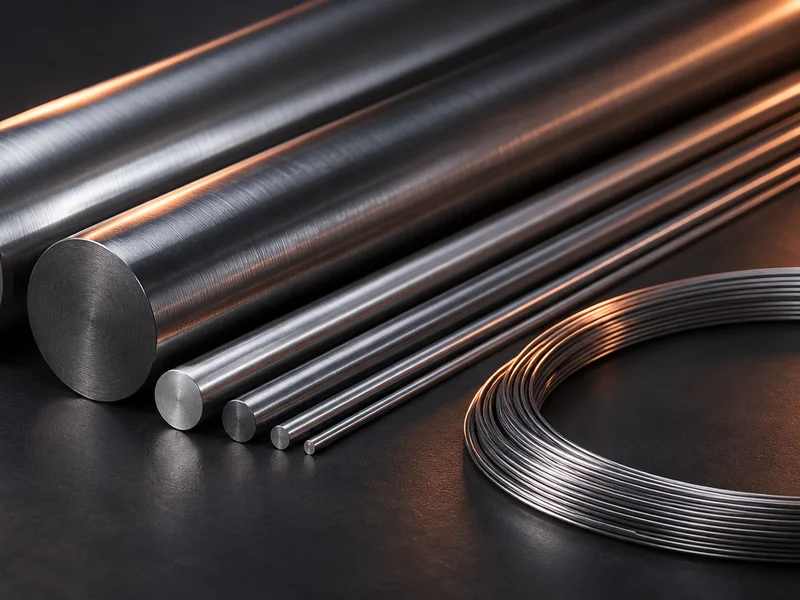
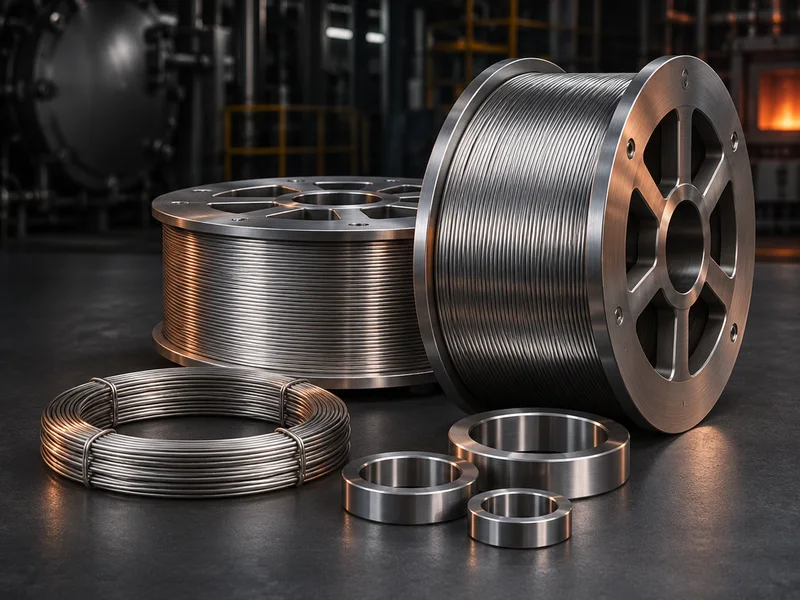
Tungsten wire, rods and drawing-based components form part of our refractory-metal portfolio. An application-specific enquiry connects the product form to the processing route and supply condition. For a component, the drawing establishes the geometry and design requirements. For wire or rod, include dimensions, the material standard and the intended end use. These details help our team discuss feasibility and the relevant specification.
Application pathways
- Special-metal wire and rod enquiries
- Drawing-based refractory-metal components
- Research and engineering material requirements
What to include in your enquiry
Provide a drawing or dimensional description, end use, material standard, quantity and required documentation. Ask the team to establish the appropriate supply condition and feasibility before design release.
Tungsten: selection guidance
A tungsten enquiry is most useful when it establishes the form before the detail: wire, rod or a component made to a drawing. Include the material standard, dimensions and quantity, and explain the part’s intended use. For a drawing-based component, identify the revision and which requirements control acceptance. For wire and rod, state units clearly and identify any required supply condition or documentation.
Is tungsten wire the same as tungsten-carbide cored wire?
These are different material and construction descriptions. Tungsten wire belongs to the refractory-metal enquiry pathway; a tungsten-carbide cored wire has a distinct construction and should be identified by its own material specification. State the exact product you need so the conversation is based on the required form and composition.
What should a tungsten component drawing include?
Provide the dimensional drawing, material designation, revision, required quantity and relevant acceptance criteria. Explain the application and identify any dimensions or features that need particular attention. If a specified inspection or material document is required, include that request when discussing feasibility and supply conditions.