Start with the application.
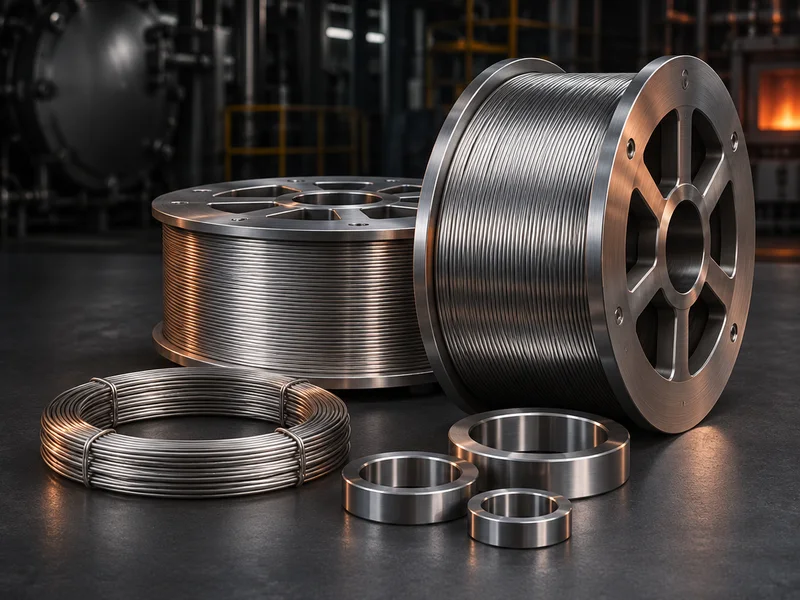
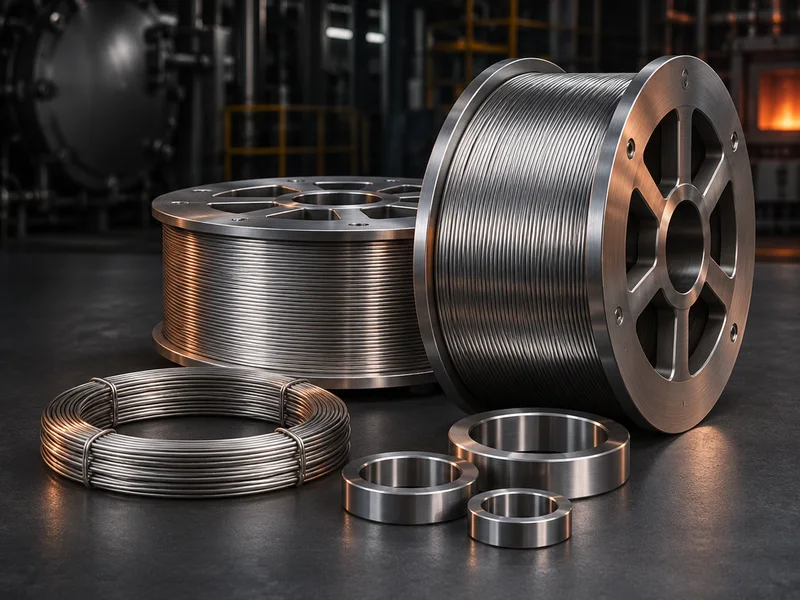
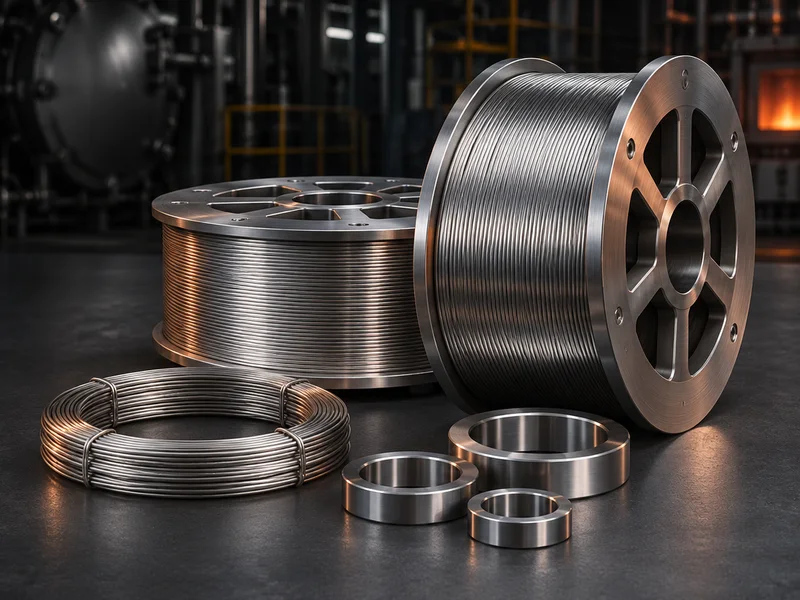
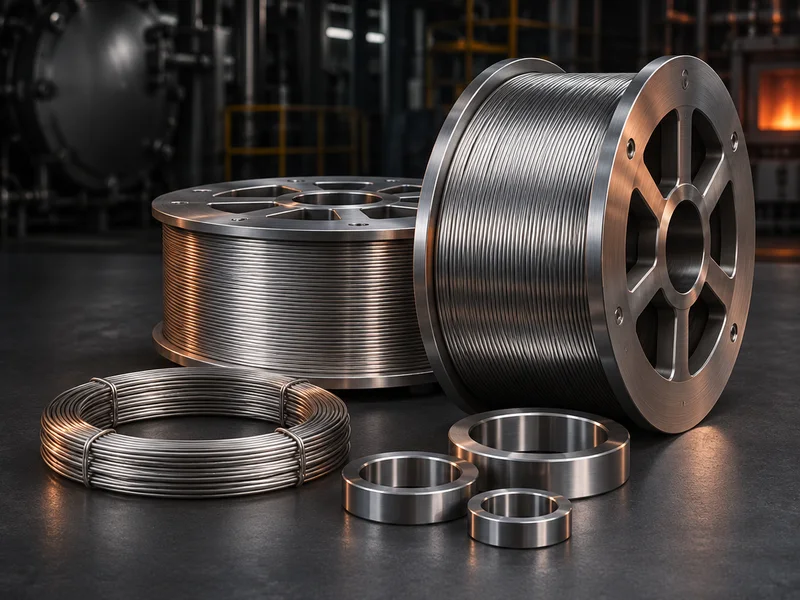
Nickel-chromium materials support application-led wire and rod requirements across industrial engineering. Material selection begins with the composition designation, service environment and required product form. Different nickel-chromium compositions serve different requirements, so the governing material specification is the starting point for technical discussion. Include the drawing condition and inspection requirements that apply to your process.
Application pathways
- Specialty alloy wire requirements
- Thermal-spray feedstock discussions where grade-specific suitability is established
- Industrial material development
What to include in your enquiry
Share composition, product form, dimensions, operating environment and quantity. Any electrical, corrosion or high-temperature performance must be assessed against the actual grade and specification.
Nickel-chromium wire: selection guidance
Nickel-chromium enquiries need both an alloy designation and a clear product form. Wire and rod requirements differ in dimensions, supply format and processing expectations. Where a composition or customer standard has already been selected, include its designation and revision. Where selection is still being discussed, explain the intended environment and manufacturing process. That context helps focus the enquiry on the composition and form that need to be reviewed.
How do I describe the required nickel-chromium material?
Start with the composition or alloy designation from your drawing or purchasing specification. Include wire diameter or rod dimensions, quantity, supply condition and required documentation. The material family covers multiple compositions, so the exact designation is more useful than a general request for nickel-chromium material.
What if the grade has not yet been selected?
Describe the application and the conditions relevant to your design, together with the product form and dimensions you are considering. Explain which requirements are fixed by the customer specification and which are still open to discussion. The team can then address the material enquiry and the questions that need resolution before quotation.